What is recovery like following joint replacement surgery?
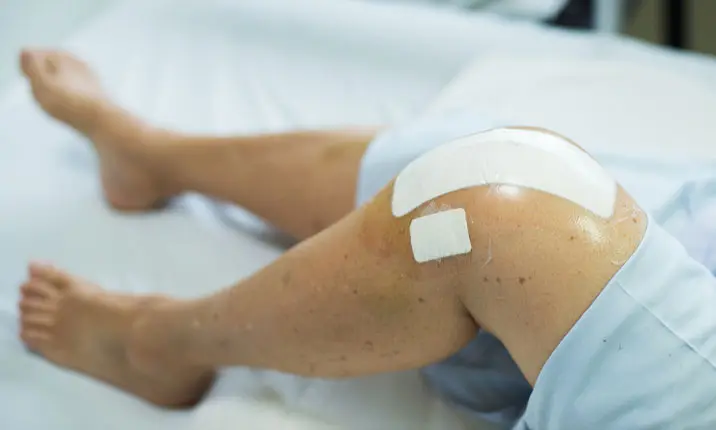
Your recovery experience will differ depending on the type of joint replacement surgery you have had. Let’s look at each in turn.
Shoulder joint replacement
After your surgery, you will undergo physiotherapy aimed at getting you to use the joint again and regain movement, but this will take time, anywhere from 6 months to a year.
How much movement you regain will also depen. Now committed you are to performing the stretching and movement exercises prescribed for you. You will need to manage your expectations as progress may be gradual.
With the improvements. That have made in terms of materials use. Joint designs and surgical techniques, you can expect the new joint to last for 15 – 20 years.
Knee joint replacement
Standing and moving the knee a day after surgery should be possible, and within 6 weeks you should be able to walk independently with little support. By the end of month 3, a dramatic improvement. Should be noticed in the joint. Where the pain felt pre-surgery is no longer felt thanks to the new gliding surface in the knee. However, it may take up to 6 months for muscle strength to return and for you to make a full recovery. You will advise not to run or jump with the new joint if you want it to last. A recent study published in the Lancet journal shows that 80% of knee replacements will last 25 years.
Hip joint replacement
The day after surgery, patients should be able to stand on the new hip and even start exercising. Walking with a walker or crutches should be possible by the second day after surgery and weight. Can apply to the hip as tolerated.
At this point, once you are able to confidently engage in basic activities such as walking steadily on your own, using the bathroom and climbing เว็บพนันออนไลน์ UFABET สมัครง่าย โปรโมชั่นมากมาย the stairs unassisted. You can discharg from hospital or refer to a community hospital for further physiotherapy and rehabilitation if necessary.
Around 4 – 6 weeks after surgery, you should be able to place your full weight on the hip and, you can stop relying on a cane for support as long as your therapist says it’s okay to do so. If your muscles are weaker, you may find you need to rely on your cane or walker for a little longer as you work to build muscle strength.